
Fine Line vs. Micro Realism Tattoos: What's the Difference & Which Is Right for You?
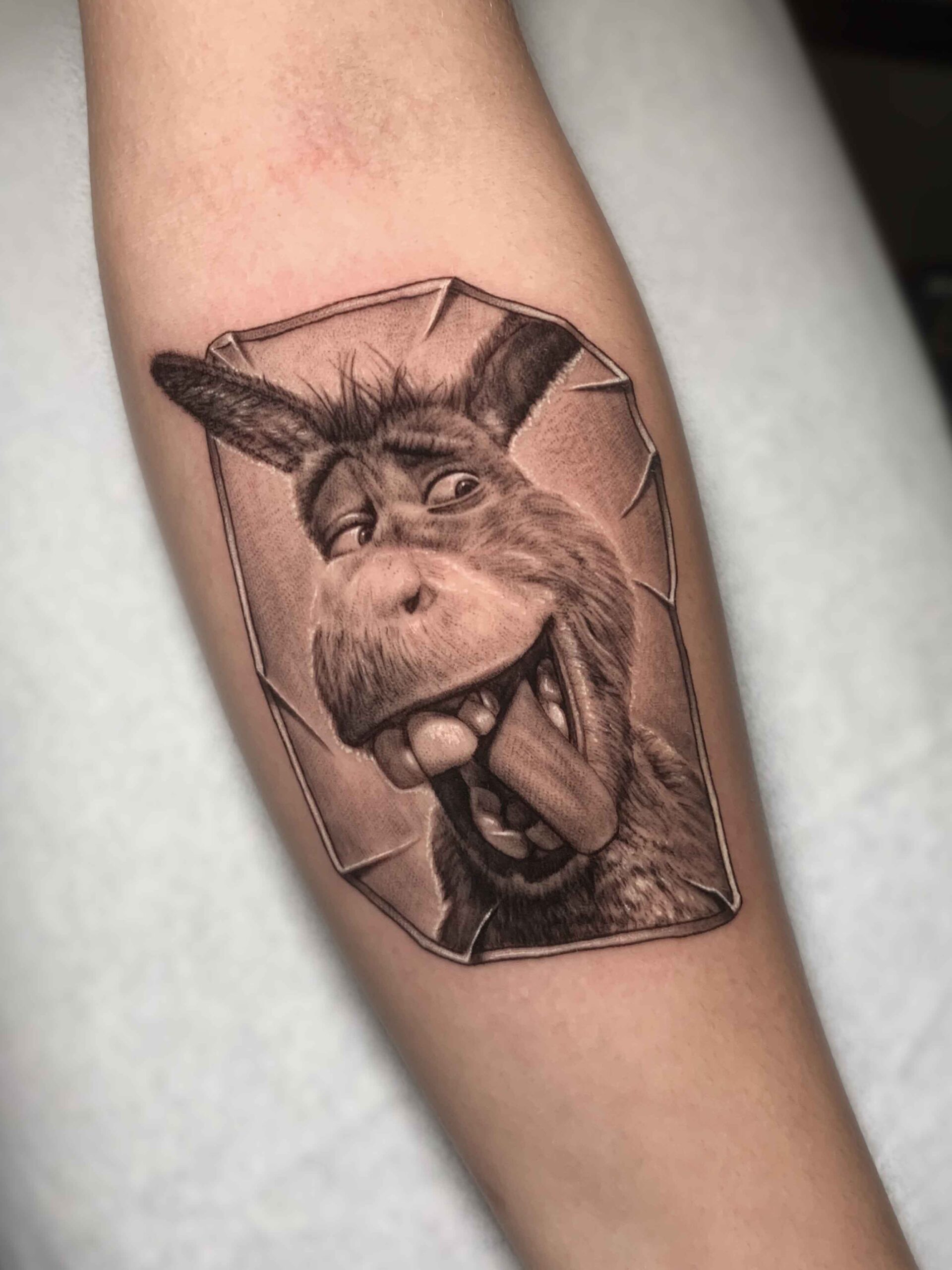
They're the two most requested small-tattoo styles in St. Petersburg — and they're not the same thing. Here's how fine line and micro realism differ in technique, look, aging, and placement, from a studio that specializes in both.
Small, delicate, detailed tattoos dominate what clients ask for in our St. Petersburg studio — and two styles come up constantly: fine line and micro realism. They get confused with each other all the time, and it matters, because they're different techniques with different strengths. Here's how to tell them apart and choose the right one for your idea.
What Is a Fine Line Tattoo?
Fine line tattooing uses single needles or very small needle groupings to create thin, precise, consistent lines with minimal shading. Think delicate florals, script, minimalist symbols, outlines, and ornamental patterns. The look is elegant and understated — the design reads as clean drawing on skin.
Fine line is about line as the subject. The beauty is in the precision of the linework itself.
What Is a Micro Realism Tattoo?
Micro realism shrinks realistic imagery — portraits, animals, objects, film stills — down to a small scale while keeping photographic depth. Instead of relying on outlines, it's built from tiny gradients of shading and contrast, like a miniature painting.
Micro realism is about depth at small scale. The beauty is in how much realistic detail fits into a few square inches.
The Key Differences
- Technique — fine line is linework-driven; micro realism is shading-driven with soft or no outlines
- Reference material — fine line works from illustrations and concepts; micro realism usually works from photographs
- Session time — micro realism typically takes longer at the same size, because realistic shading is slow, layered work
- Aging — both age well when sized correctly, but micro realism needs slightly more room. Ultra-tiny realism packed with contrast can soften into gray blur over the years; a good artist will tell you the minimum size your reference needs to survive the decades
- Best subjects — script, botanicals, and symbols favor fine line; pet portraits, faces, and photo-real objects favor micro realism
Which Should You Choose?
Start with your reference. If your idea is a word, a flower, an outline, a symbol — fine line will give it elegance. If your idea is a photograph you want carried on your skin — your pet, a family member, a scene — micro realism is the style built for it.
And if your idea sits in between (say, a rose that feels real but delicate), that's exactly what a consultation is for. Our artists regularly blend the approaches: fine line structure with soft realistic shading.
Placement Advice for Both Styles
Small detailed work lives or dies by placement. Forearms, upper arms, collarbones, shoulder blades, and calves hold delicate detail beautifully. High-friction spots — fingers, palms, feet — break down small details faster in any style, and we'll counsel you honestly if your placement puts the design at risk.
Both Styles, One Studio
Ministry of Ink has resident specialists in both fine line and micro realism — it's a core part of why clients drive to us from Tampa, Clearwater, and across Pinellas County. Bring your reference to a free consultation at 2700 Central Ave in St. Pete, and we'll tell you which style serves your idea best, how big it needs to be, and exactly what it will cost.