
How Much Do Tattoos Hurt? A Placement-by-Placement Pain Guide
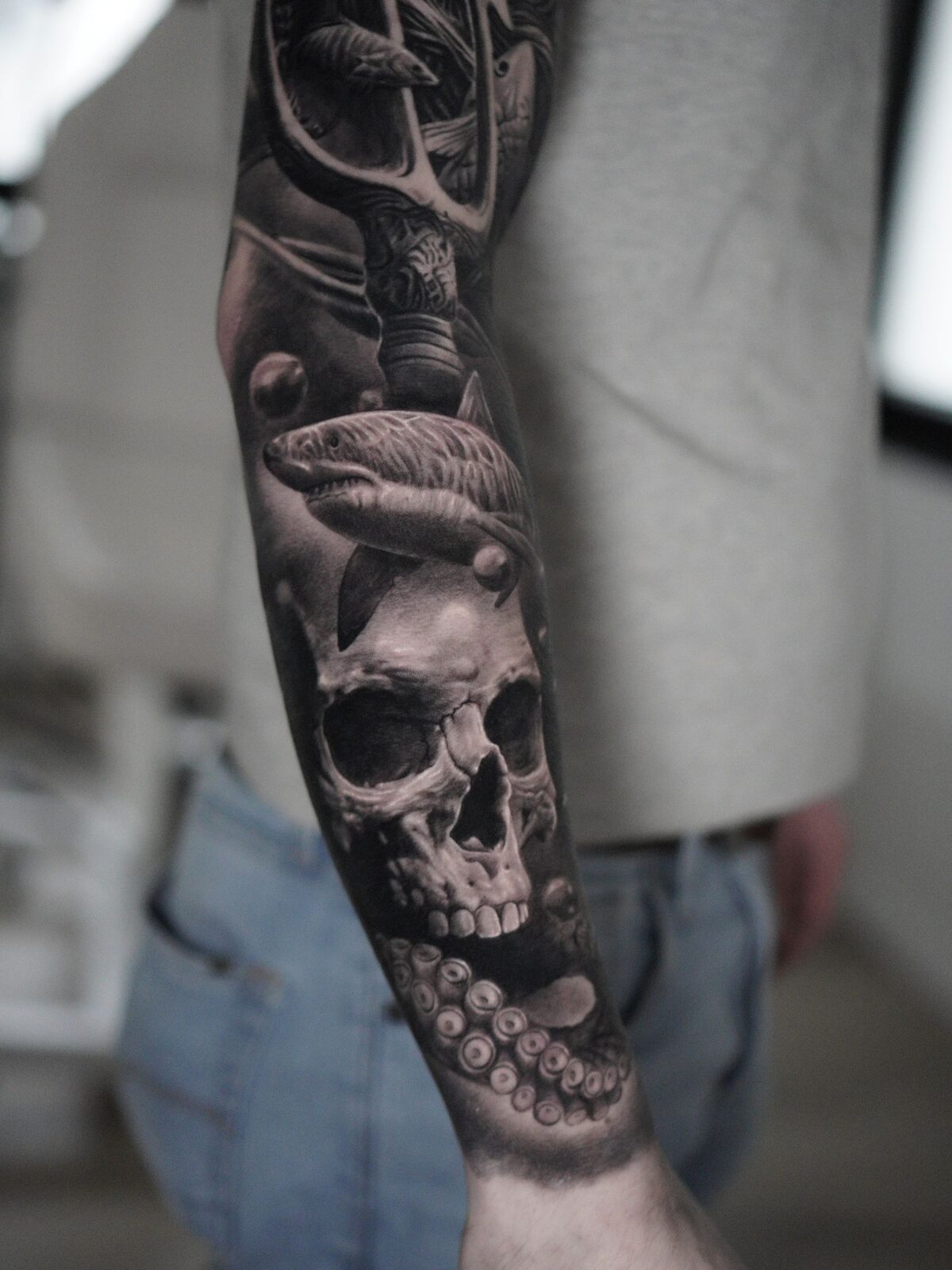
Pain is the number one question first-timers ask. Here's an honest, placement-by-placement guide to what tattoos actually feel like — and the strategies that make any session easier.
"How bad does it hurt?" It's the first question almost every first-time client asks — and most artists give a vague answer. Here's the honest version: yes, tattoos hurt, but almost never as much as people fear, and where you get tattooed matters far more than what you get.
What a Tattoo Actually Feels Like
Most clients describe tattooing as a hot scratch or a constant vibrating sting — uncomfortable, but very manageable. The sensation changes with the work being done: crisp linework feels sharper and more precise, while shading and color packing feel broader and warmer, like a sunburn being brushed.
Your body also helps you out. After the first ten to fifteen minutes, adrenaline and endorphins kick in, and most people settle into the session far more comfortably than they expected.
The Placement Pain Scale
Pain comes down to two things: how close the needle is to bone, and how dense the nerve endings are. A rough guide, from easiest to toughest:
Mild — great for first tattoos: - Outer forearm - Upper arm and shoulder - Outer thigh - Upper back
Moderate — noticeable but very doable: - Inner forearm and inner arm - Calf - Chest (upper, for most clients) - Back of the neck
Challenging — sensitive skin or close to bone: - Ribs and sternum - Spine - Hands, fingers, and wrists - Feet and ankles - Elbow and kneecap (ditch) - Inner thigh and hip
None of these are off-limits — clients sit for rib and spine pieces every week. The tough placements just reward preparation and, for larger work, sometimes a split into multiple sessions.
Session Length Matters as Much as Placement
A 45-minute fine line piece on the ribs is very different from a six-hour realism session on the forearm. Pain accumulates: the final hour of a long session is always the hardest, regardless of placement. If you're pain-averse, tell your artist — designs can often be sized or scheduled so each sitting stays comfortable.
How to Make Any Tattoo Easier
Preparation genuinely changes the experience:
- Sleep well the night before — fatigue amplifies pain more than almost anything
- Eat a real meal 1–2 hours before your session, and bring a sugary drink for long sittings
- Hydrate for a couple of days beforehand — hydrated skin takes ink more smoothly
- Skip alcohol for 24 hours before — it thins blood and heightens sensitivity
- Wear comfortable clothing that gives easy access to the placement
- Breathe and settle in — music, podcasts, or conversation make sessions fly by
Numbing creams exist, but talk to your artist before using one. Some products affect the skin's texture and how it takes ink.
Frequently Asked Questions
What's the least painful spot for a first tattoo? The outer forearm, upper arm, and outer thigh are the classic comfortable starters — fleshy areas, away from bone, that also happen to be great canvases that age well.
Do small tattoos hurt less? Shorter sessions mean less accumulated discomfort, so yes — a small piece is over before your body has time to protest much.
Is it okay to take a break mid-session? Absolutely. Artists expect it, especially in long sittings. A five-minute stretch, snack, and water break resets you completely.
Book a Consultation and Get an Honest Answer
Wondering how your specific idea and placement will feel? Ask us directly — we'll tell you the truth. Book a consultation at Ministry of Ink — 2700 Central Ave, St. Petersburg, FL 33712, or call (727) 256-5925.